We are a design lab & studio
lowercase is a nonprofit design practice working across research, strategy, co-design, and making.
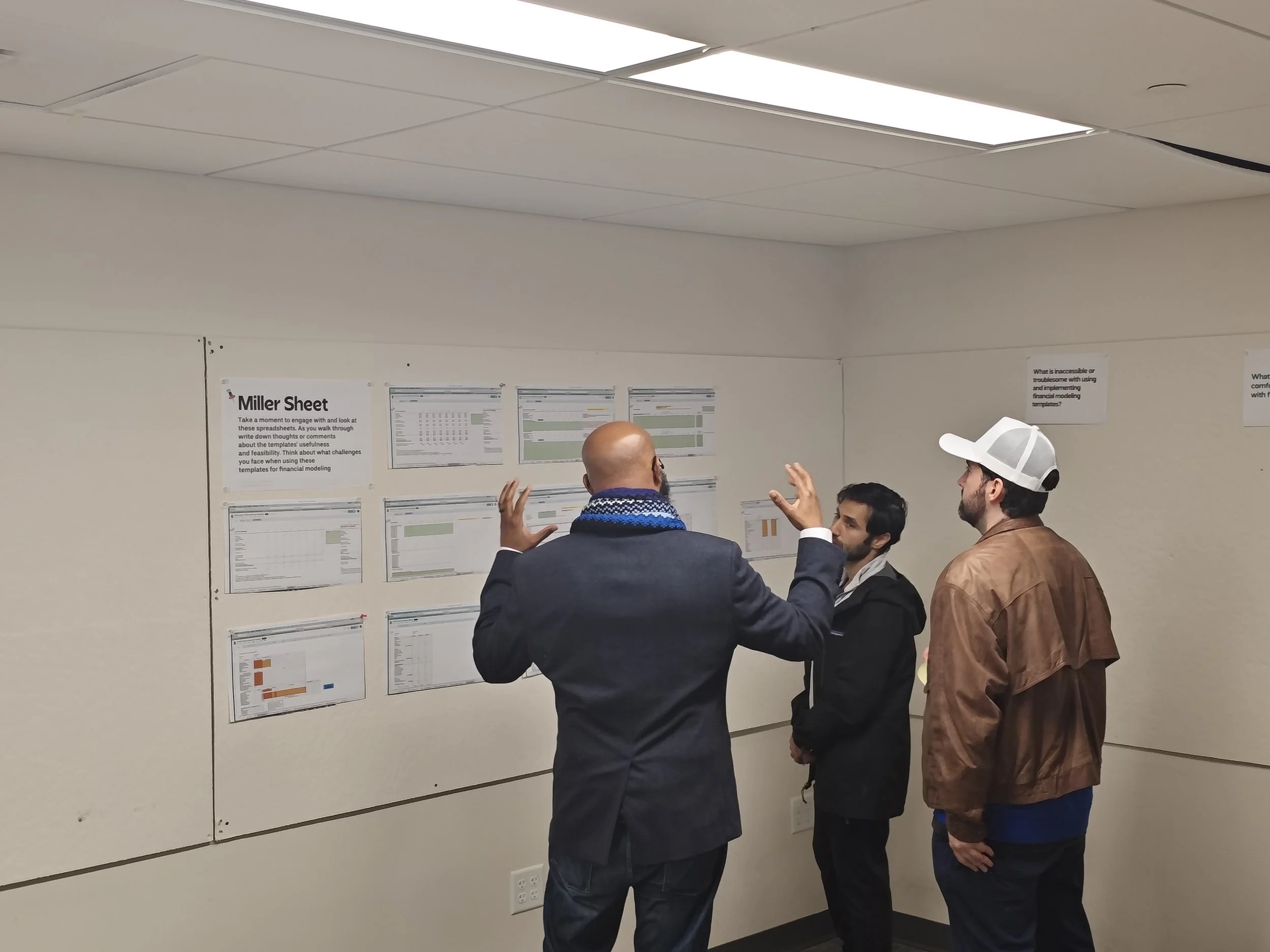
We work with communities and organizations to understand complex problems, imagine what could be different, and build toward it together.
Our work moves between the practice and the speculative—from designing objects, spaces, and experiences to questioning the systems that shape them.
why lowercase?
… because we’re uncomfortable with capitalism in all forms. We question the idea that everything needs to grow, scale, move faster, produce more, or generate more profit to have value.
That shapes how we work. We think about who benefits from what we make, who owns it, whose labor makes it possible, and what gets extracted along the way. We try to share resources rather than hoard them, build with people rather than for them, and make room for work whose value can’t always be measured by a bottom line.
lowercase is a reminder that bigger isn’t always better, growth isn’t always the goal, and not everything valuable needs to be capitalized.
how we practice.
We believe design is not - and should never aim to be - neutral.
Every choice reflects a value, every process holds power, and every outcome shapes the world we live in. We choose to design for dignity, justice, and collective well-being.
Our practice is grounded in a few commitments that we return to throughout our work.
Co-creation
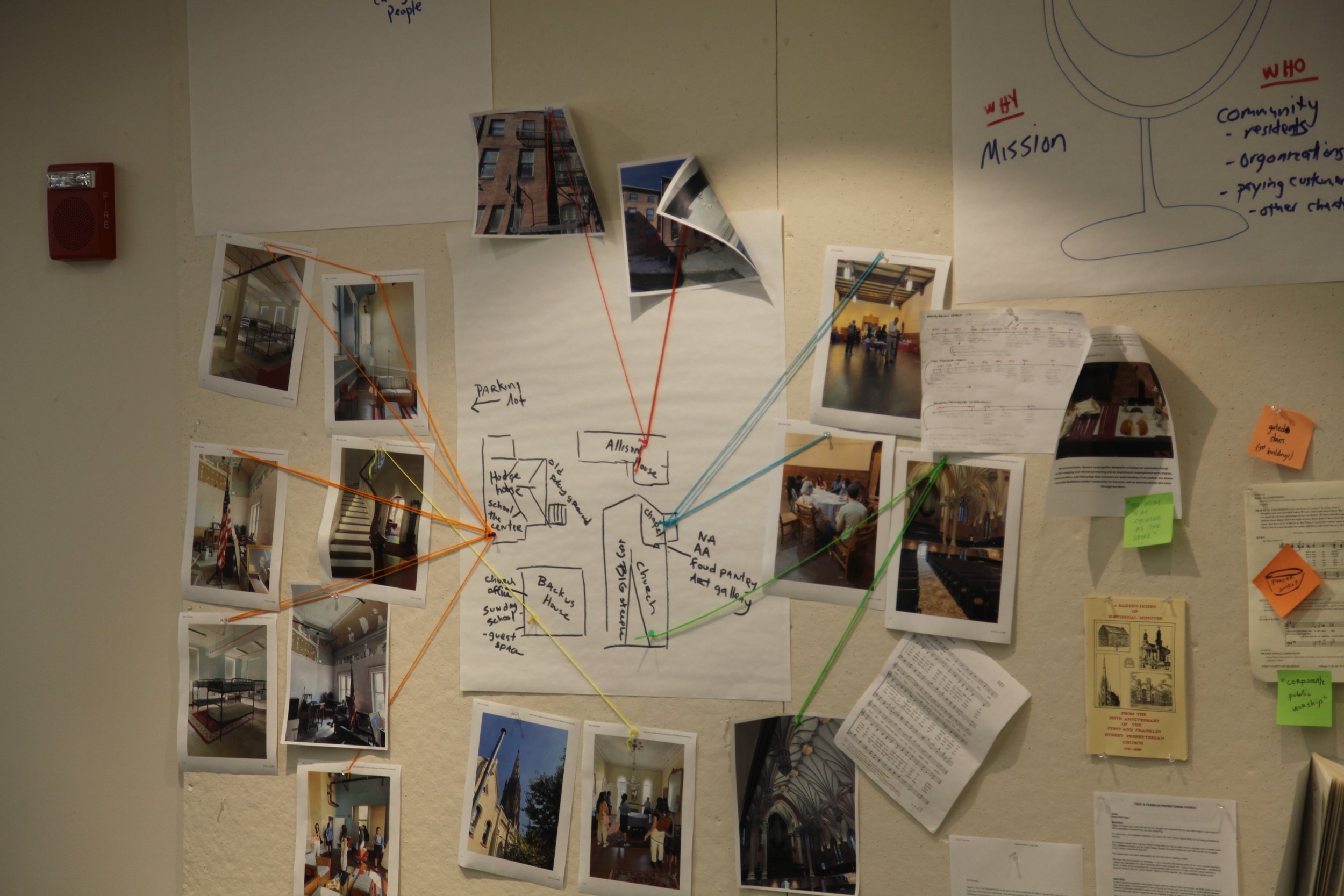
The people most affected by a decision should have a meaningful role in making it. We don’t see community engagement as a step in the design process. The relationships, knowledge, and decisions that emerge from it are part of the design.
Care
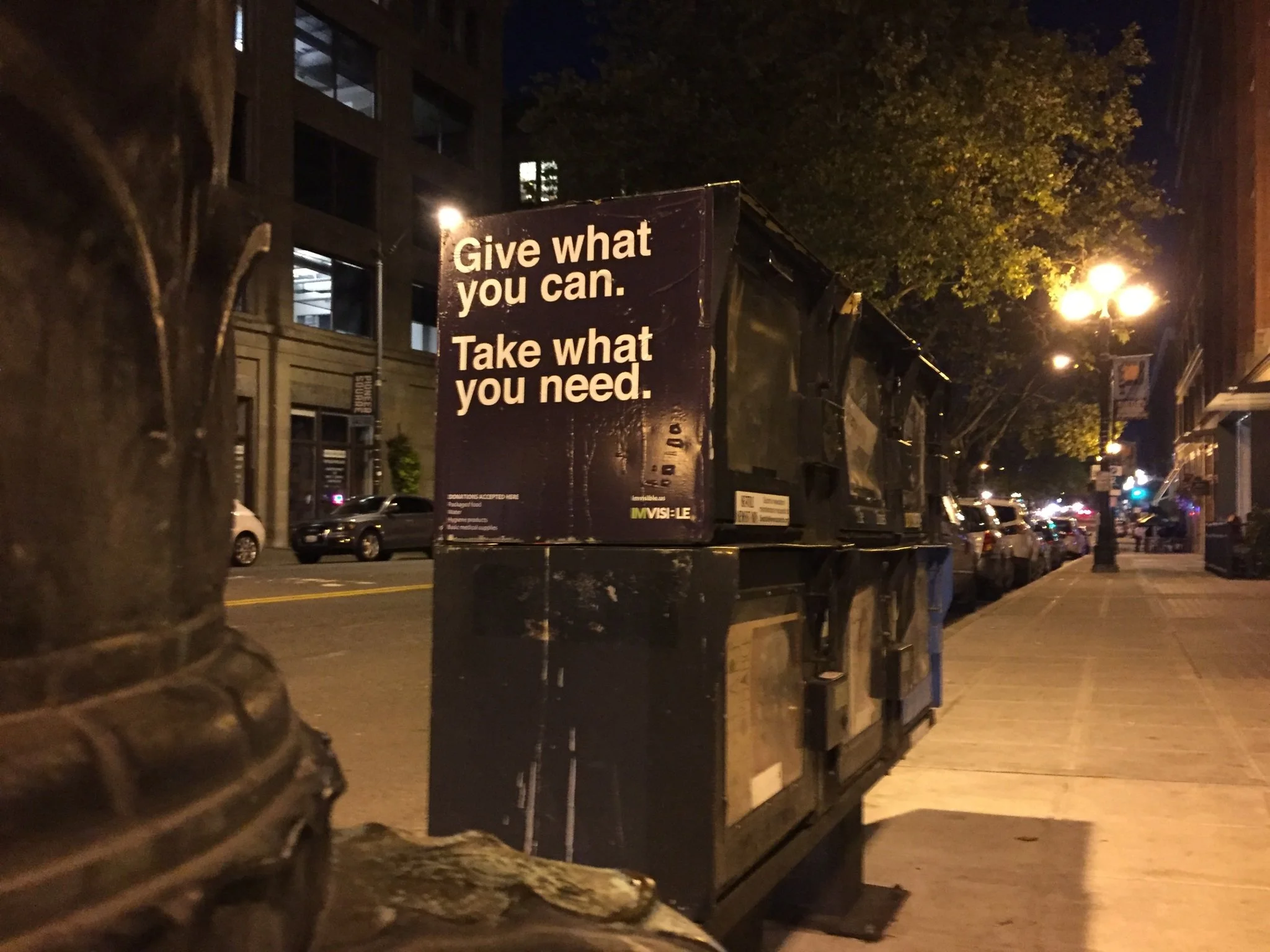
We think about what our work asks of people—their time, labor, stories, knowledge, bodies, and trust—and what we give back in return.
Intentional pace
Urgency isn’t always neutral either. We make room to listen, reconsider, change direction, and sometimes move slowly when moving quickly would mean leaving people behind.
Transparency
We try to make the process visible: what we’re doing, why we’re doing it, what decisions are being made, and where the limitations are.
Rootedness
We begin with what’s already there. People, histories, relationships, knowledge, materials, and ways of doing things aren’t blank spaces waiting for design to arrive.
Reflection
We don’t expect to get everything right the first time. We question our assumptions, learn from what happens, and let the work change us too.
lowercase is a collaboration of people with different disciplines, lived experiences, and ways of seeing.
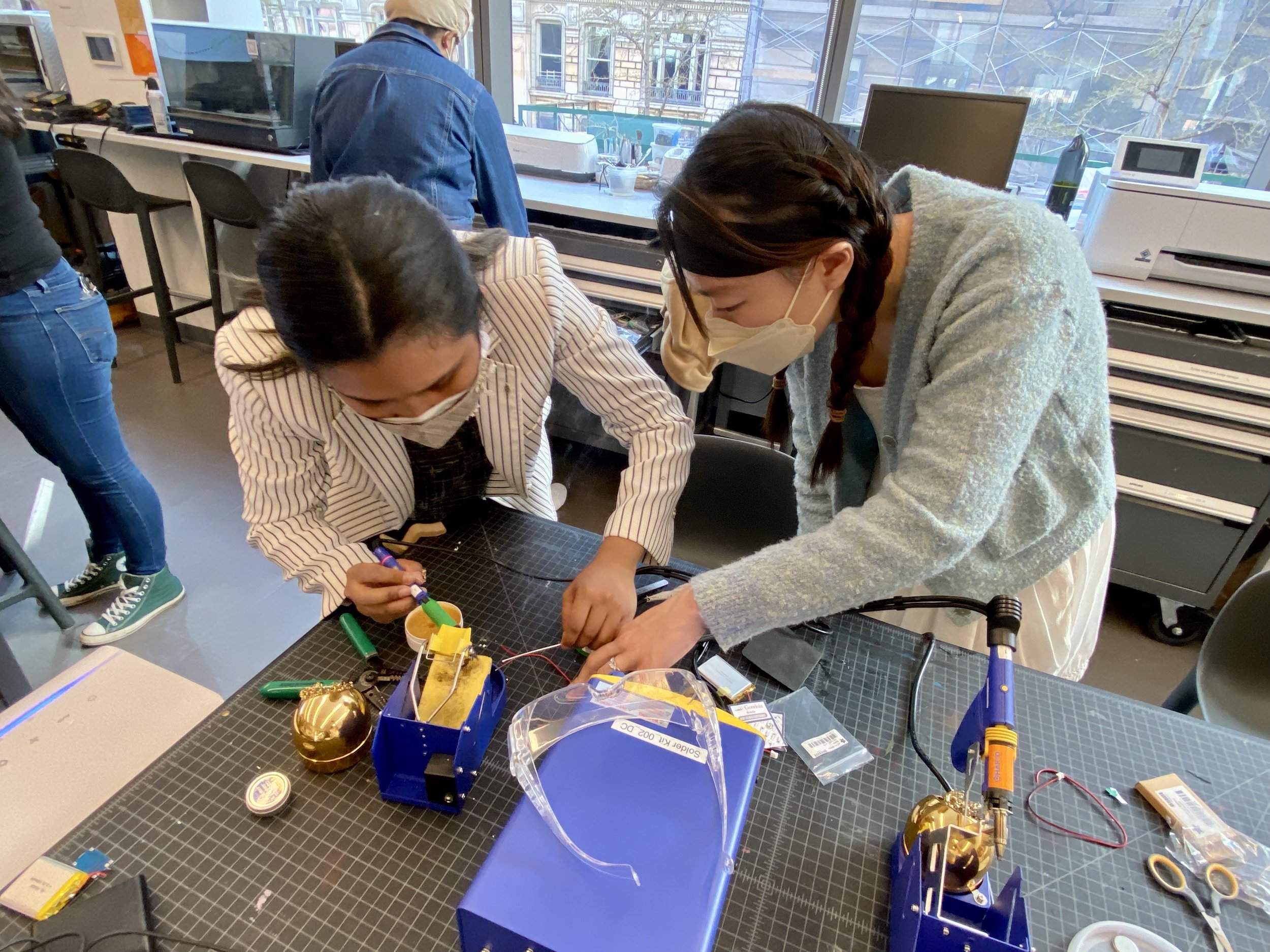
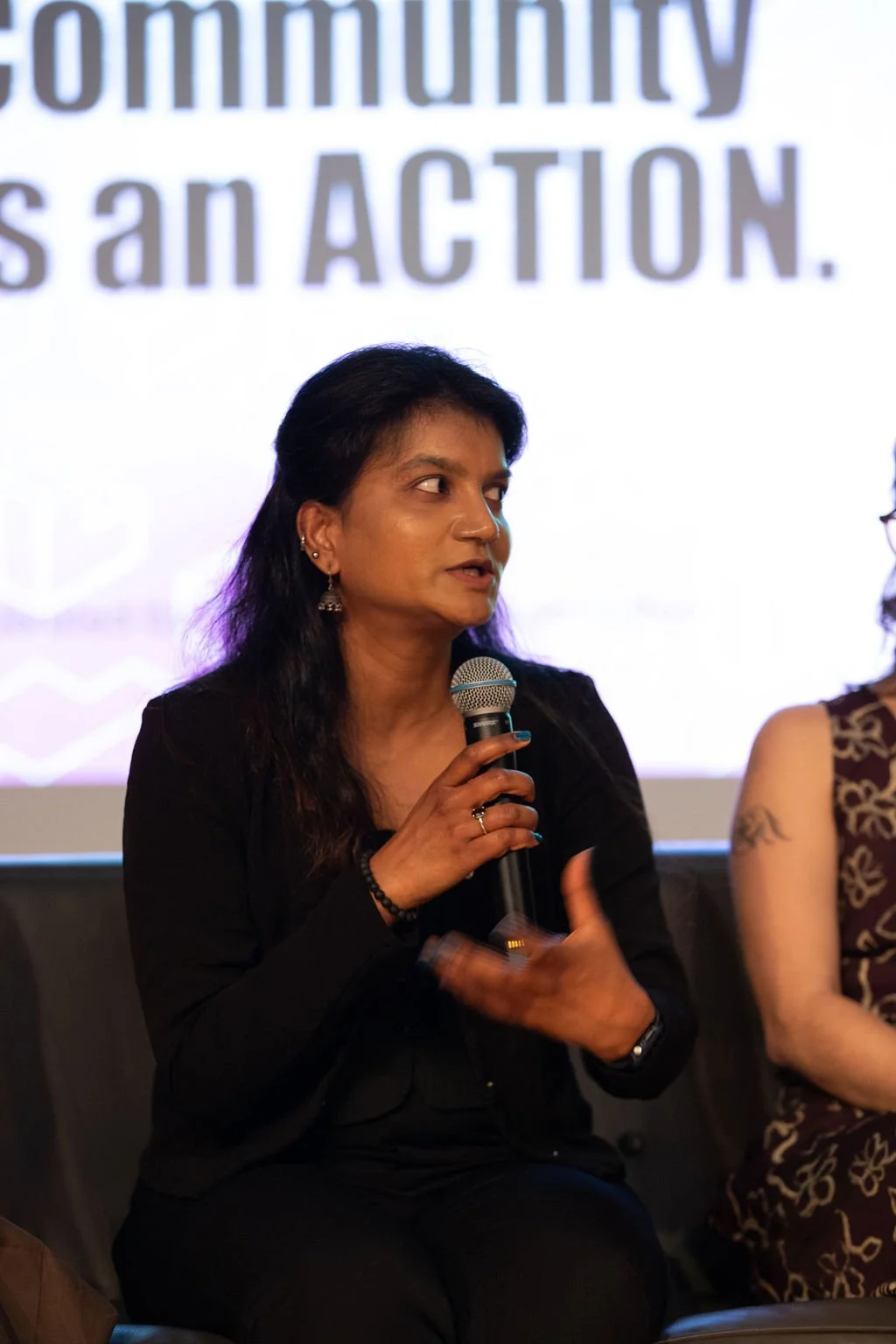
Our team works across design, research, accessibility and disability justice, sustainability, communications, community-building, and strategy. Those differences aren’t something we try to smooth out. They allow us to see a problem from more than one direction—and to question one another along the way.
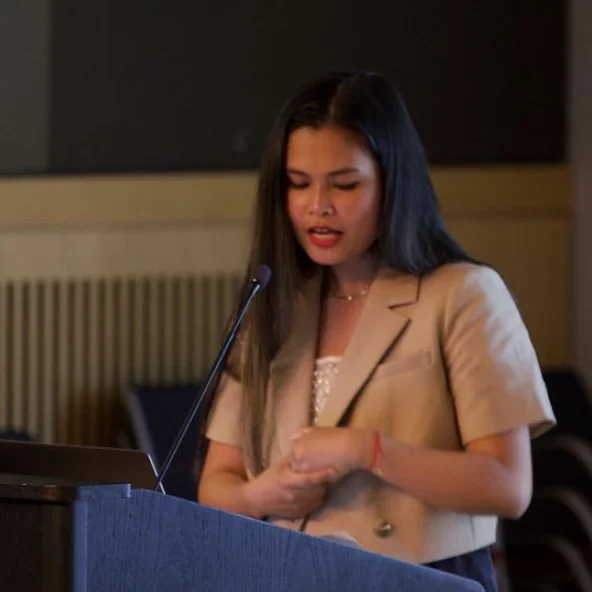
Ana
Chief of Circular Economy
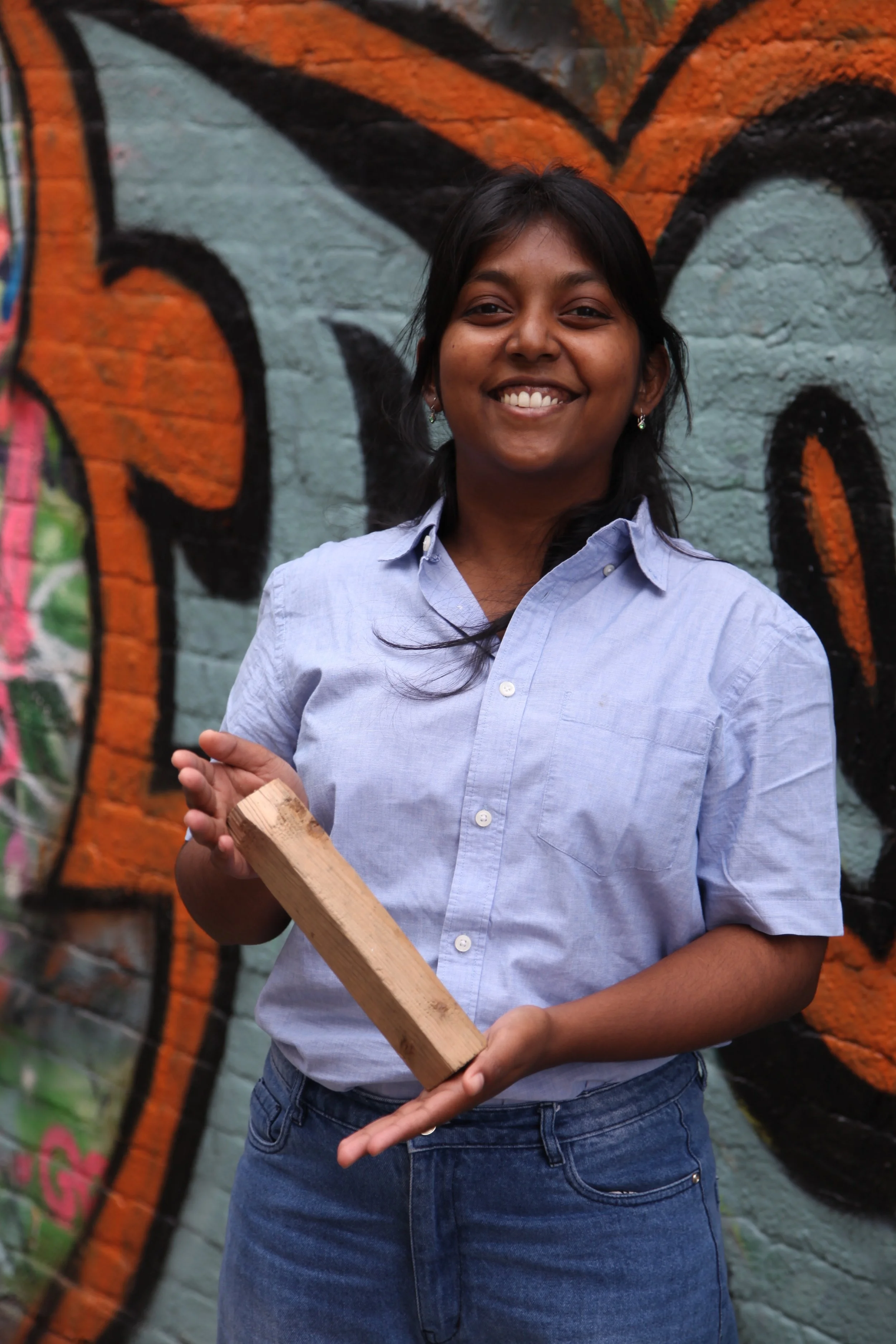
Pallavi
Chief of Connection
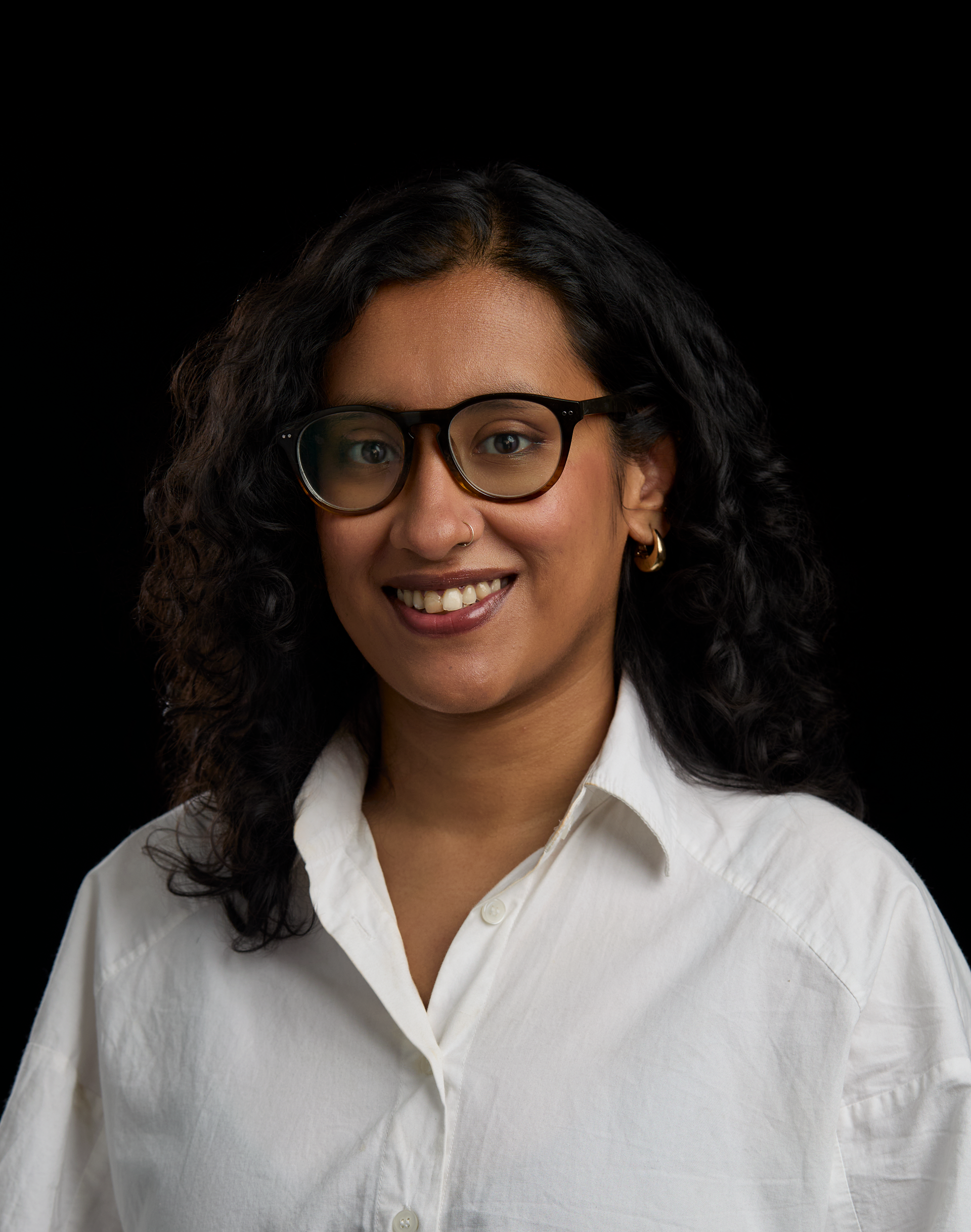
Swathi
Chief of Accessibility & Disability Justice
Chief of Communications
Spriha
Mashal
Chief of Sustainability
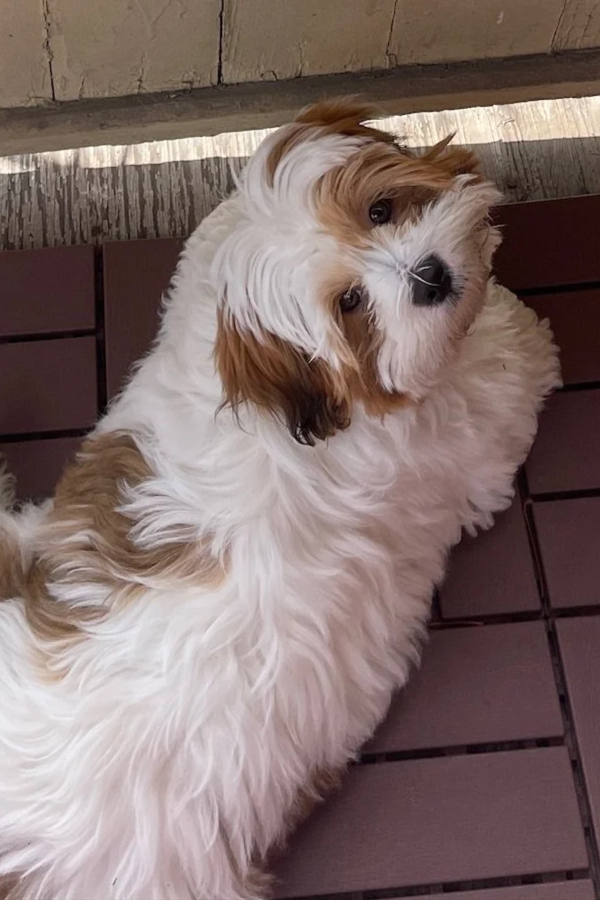
Chief of Happiness & Menace
Momo
our story
lowercase began with a question about what a design practice could look like if it’s intentionally building a world where everyone’s experiences are dignified.
We became a nonprofit so we could make room for different kinds of work: client projects alongside research and experimentation; paid engagements alongside community-led work; designing things alongside questioning whether those things need to exist in the first place.
Today, lowercase operates as both a design studio and a design lab.
The studio works with organizations and communities on real problems—from research and strategy through design and implementation.
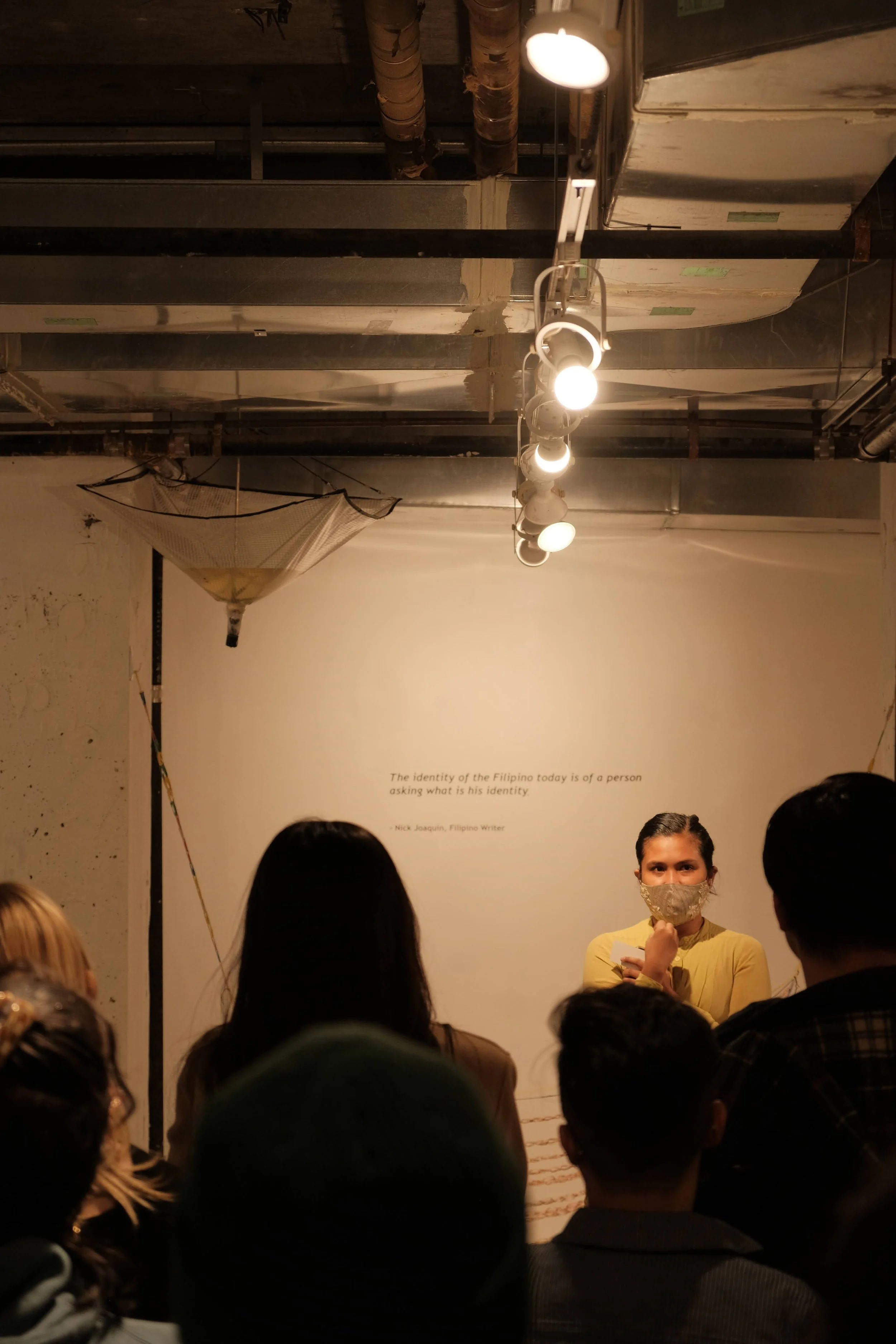
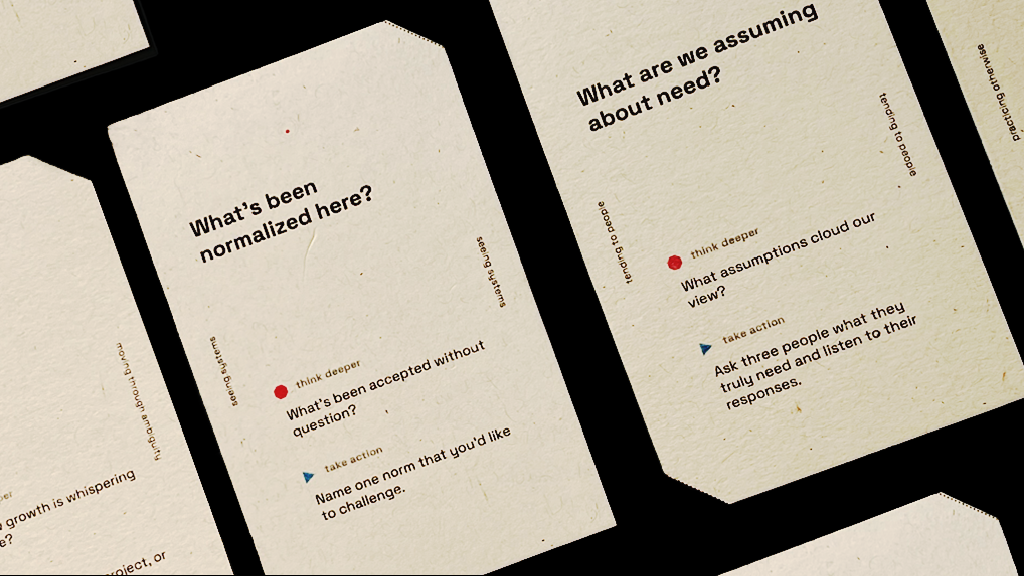
The lab gives us room to explore questions that don’t necessarily begin with a client or end with a deliverable. It’s where we research, experiment, make, share what we’re learning, and develop projects of our own.
The two aren’t separate practices. What we learn in one changes how we approach the other.
We’re still figuring out what this model can become.
want to work together?
You don’t need to come to use with a perfectly defined problem or a predetermined solution.
Tell us what you’re working through, and we’ll figure out where we might be useful.